When Religion Trumps Rights
Do you believe that cultural and religious traditions should influence how you handle the rights of people with gender dysphoria?
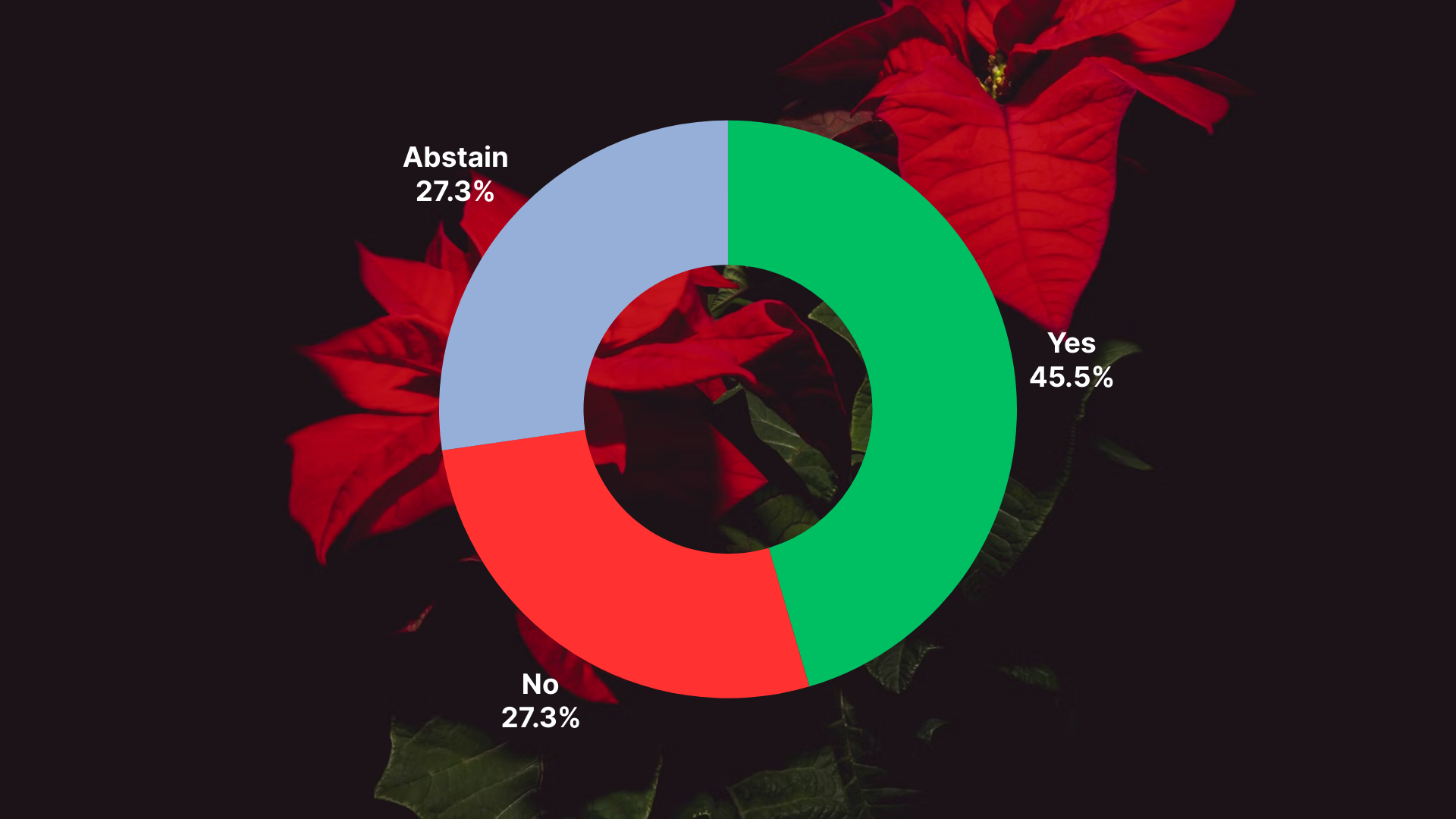
One of the most controversial responses was India’s. During the session, India claimed that they would work on establishing marriage recognition for members of the LGBTQ+ community. However, in the poll, they claimed that they would allow religion to influence how they look at gender dysphoria. This reveals that although they talk a big game about how they are going to address gender dysphoria, their mindset remains inherently backward.
The usual suspects, like Iran, Pakistan, and other predominantly Islamic countries, answered “yes” to the poll, as expected. A small number answered “no.” This shows that although these countries make a lot of noise about how they are going to make significant changes to promote reducing gender dysphoria, they draw the line when it comes to religion. The USA also surprisingly answered “yes,” even while having one of the highest transgender populations in their country (1 in 250). This raises the question: are the citizens of the USA truly safe?
This begs the question: Is our religion what defines us? Why must we be discriminated against just because we don’t feel comfortable in our own skin? Why do countries like Iran prioritize their Sharia and impose it on other countries?
What we should take away from this poll is that gender dysphoria has been around for a long time, and since the Islamic countries are so deeply rooted in their beliefs, they are not willing to put themselves in the shoes of those affected.
After all, you can’t teach an old dog new tricks.