The Weave of Empowerment
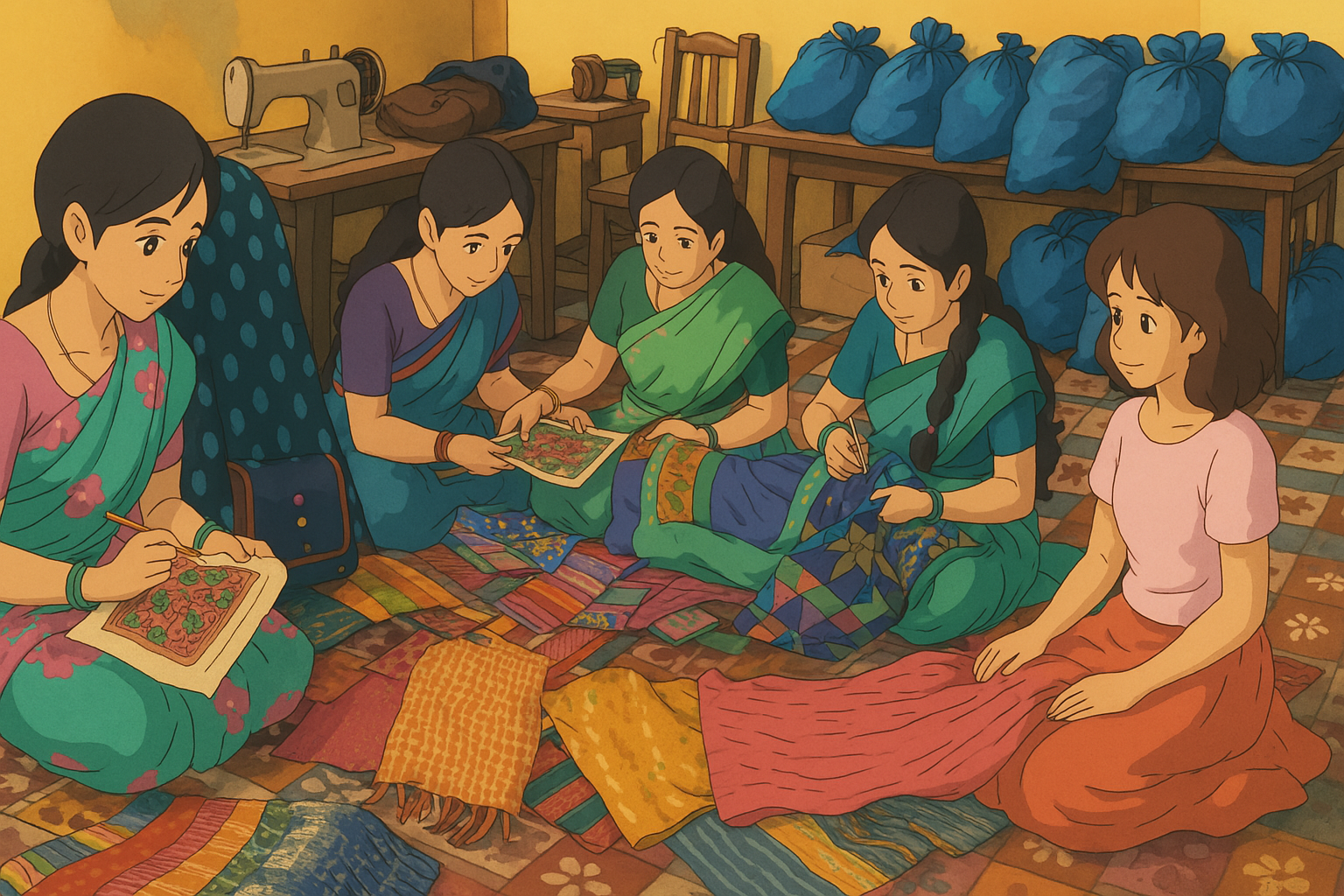
A simple close-knit weave is a very articulate design that generally involves three main strands of threads. It provides a strong close-knit structure as compared to their individual parts. The ‘Three-Dimensional Model of Women’s Empowerment: Implications in the Field of Microfinance and Future Directions analysis’ article emphasises that the women empowerment can have three different divisions – The micro-level, meso-level and the macro-level.
While ensuring global financial literacy is the starting point to achieve microfinance, it is important to also set a base to this. The micro level refers to the empowerment on an individualistic level. Programs to empower women and train them for availing and lending microfinance credits would lead to increased gender equality in the job market, increased financial stability and moreover this literacy would be passed down to the future youth. One such prominent initiative is the Deen Dayal Upadhyaya Antyodaya Yojana (DDUAY). This program was initiated by the Indian government in 2014 with the mission of reducing poverty and vulnerability by providing access to skilled employment by extensive training. DDUAY has managed to give employment to one lakh people in just two years since its initiative thus showing a rise of 22%.
The meso-level discusses relational empowerment. Self Help Groups (SHGs) and joint financial savings are some examples of how empowerment could be achieved at this level. The Jamii Bora Trust (Kenya) began its initiative of helping low-income women in 1999.By 2007, it had over 170 million members spanning across 23 branches – all either out of poverty or not poor anymore. They offer microbusiness loans with a fixed timeframe and very low interest rates. The successful repayment of these loans then allow the women to be eligible for bigger loans such as school fees loans and housing loans.
The macro-level refers to societal empowerment and one such notable examples would be the Fonkoze organisations (Haiti).The Fonkoze Financial Services (SFFs) lay its roots on two main principles – Group Lending and Business development.Fonkoze has assessed the situation in Haiti and has introduced its branches at places without any access to financial services. Having nearly $70 million remittances every year – Fonkoze without a doubt serves as the best macro example for empowerment.
Rather than approaching microfinance for financial literacy and empowerment as a global problem, this approach of assessing each strength of the levels backed up with psychological evidence conveys the effectiveness of a more bottom-up approach towards ensuring socio-economic development.