Diplomacy at Crossroads

Deliberations in the UNSC revolved around the effectiveness of diplomacy in resolving global conflicts. While some nations stressed the importance of mutual respect and non-intervention, other nations questioned whether diplomatic solutions would be sufficient to prevent the escalation of crises.
The delegate of the Republic of India (India) highlighted the importance of bilateral dialogue in resolving global conflicts, urging other delegates to take its approach to Sri Lanka as a model. Subsequently, the delegate of the United States of America (USA) challenged whether India’s diplomatic approach was sufficient to deter conflict. While acknowledging the importance of mutual respect, the US delegate stressed the importance of a rigid framework, such as real-time satellites and a 72-hour time period for civilian protection when sovereignty is threatened.
The delegates of the Republic of France echoed the importance of long-term engagement for prosperity, emphasizing that military efforts may undermine the sovereignty of the countries involved. The delegates of the United Kingdom (UK) then proceeded to condemn nations that advocate for diplomacy and a “rule-based international order” while simultaneously engaging in terrorist activities themselves, alluding (or: placing a thin veil over) the actions of the People’s Republic of China (China) regarding their activities in Tibet.
The debate took a sharp turn when the delegate of Japan demanded (or: called for) the return of its four Northern Territories currently under the control of the Russian Federation (Russia). The delegate reprimanded Russia for its calls for peaceful resolution while it continues to militarize the islands belonging to Japan. Thus, Japan highlighted the inconsistencies in how diplomacy and sovereignty are interpreted. In response, China restated its stance on prioritizing neutrality and negotiations, stating that these must always precede military intervention. However, the UK chastised China’s foreign policy advocacy for non-intervention, arguing that its own actions serve as a reminder of the selective application of the principles of sovereignty.
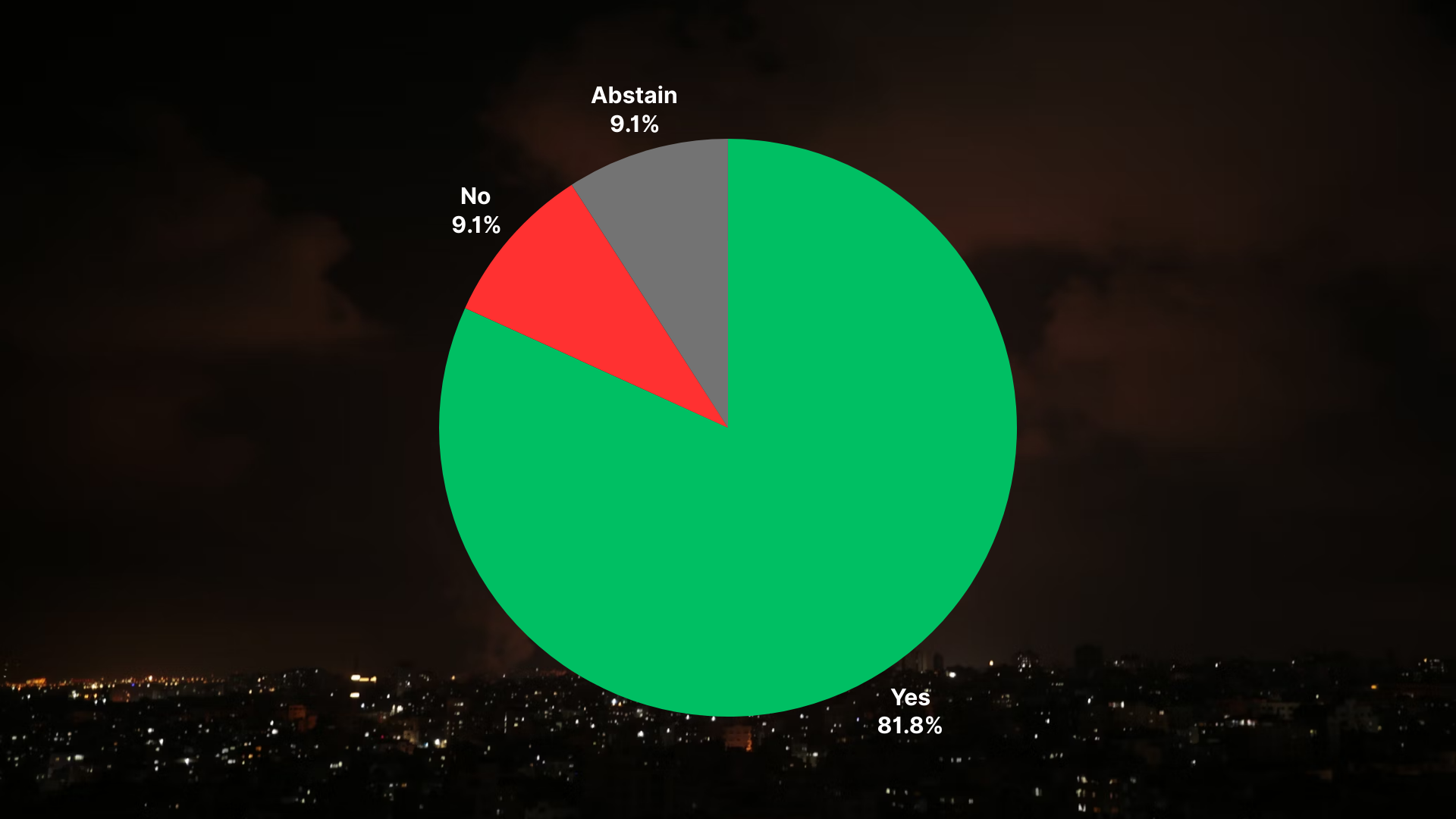
Thus, the council remained divided on the approach to peacekeeping, with multiple countries advocating for mutual peace and prosperity and others advocating for quick military deployment. Therefore, this section of the committee discussion underscores the balance between diplomacy and action, leaving the UNSC at a crossroads.