A Human Issue
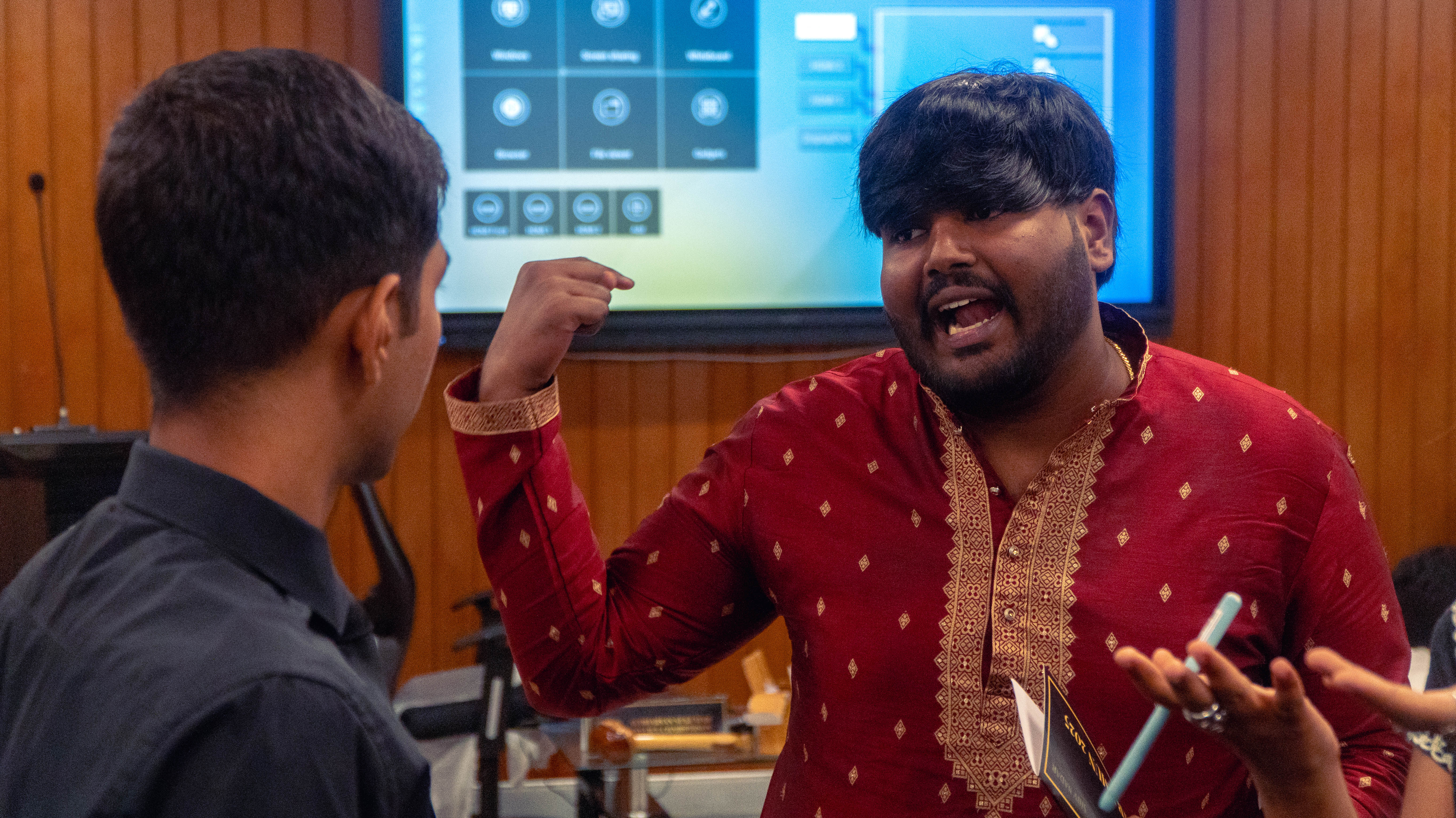
Intense deliberations and debates transpired in the session of the United Nations Human Rights Council on the topic of gender dysphoria and its implications for human life. The session commenced with the delegates of the Kingdom of Thailand (Thailand), the Kingdom of Belgium (Belgium), and the Kingdom of Denmark (Denmark) emphasizing their support for people experiencing gender dysphoria. The delegate of the Republic of Türkiye (Turkey) pointed out that Article 40 of the Turkish Civil Code allows people who want to change their gender assigned at birth to do so within the confines of the law.
On the other side stood the Islamic nations. The delegations of the Islamic Republic of Iran (Iran), Kingdom of Saudi Arabia (Saudi Arabia), State of Qatar (Qatar), United Arab Emirates (UAE), Islamic Republic of Afghanistan (Afghanistan), and Islamic Republic of Pakistan (Pakistan) formed a united front against treating gender dysphoria as anything other than a mental disorder. The delegate of Saudi Arabia made bold proclamations that gender dysphoria was an infectious virus and that individuals wanted to change their gender simply because they “feel like it.” The delegates of Iran, Pakistan, and Qatar also cited Sharia Law during several instances, justifying their extreme actions by stating they were simply acting according to what their Islamic Code proclaimed.
One incident that stood out during the conference was the rift between the Kingdom of the Netherlands (Netherlands) and Iran. The Netherlands condemned Iran’s comparison of gender dysphoria with a mental illness such as schizophrenia. The delegate of the Republic of France (France) criticized the Islamic nations and questioned why they were even present in a committee debating human rights.
France also urged that gender identity education be made mandatory in primary schools. This resonated with several nations. However, Saudi Arabia refuted this, emphasizing that children wouldn’t be mature enough to make their own decisions and might make irreversible changes to their bodies that they might regret later.
The Delegate of the Netherlands highlighted the need for countries to leave their old beliefs behind and focus on allowing freedom of expression under Article 19 of the Universal Declaration of Human Rights. Debates continued as delegates suggested vastly different solutions to resolve the situation of people experiencing gender dysphoria.